


About Us
For over 30 years, Black Heritage Trail of New Hampshire has committed to honoring the past and building a better future.

Embracing Our History
History is more than dates and events—it’s the story of who we are and where we’re going. In New Hampshire, Black history is a vital, yet often overlooked, thread in the fabric of our shared heritage.
From the ports of Portsmouth, where enslaved Africans first arrived, to the northern border where freedom seekers found refuge, New Hampshire holds stories of resilience, courage, and community. These stories challenge us to look beyond the surface and uncover truths that have long been hidden.
At the Black Heritage Trail of New Hampshire, we believe understanding this history isn’t just about the past—it’s about creating a better future. By shining a light on these untold narratives, we inspire connection, foster healing, and build more inclusive communities.
This journey starts with curiosity. We invite you to explore what this history means for you and for all of us—and together, bring its lessons to light in the present.


Signature Programs
The Black Heritage Trail of New Hampshire provides a variety of learning experiences for adults and children.
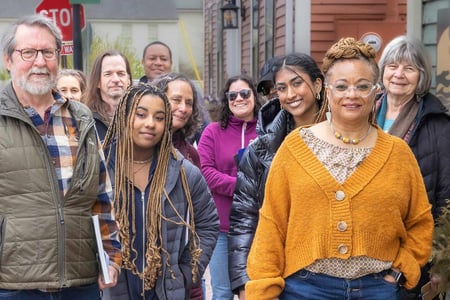
Sankofa Scholar Guided Walking Tours
Discover the real, unbiased history with one of our signature guided tours conducted by a well-trained, experienced guide.

Self-Guided Tours
Take a self-guided audio tour to learn about Portsmouth’s Black heritage, right on your phone.
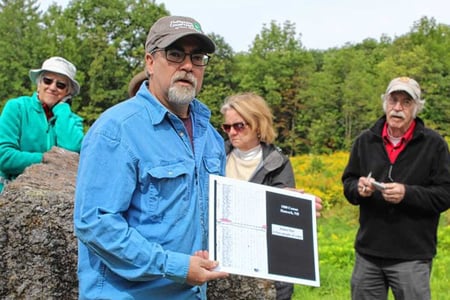
Expanded Walking Tours
Expanded walking tours extend beyond Portsmouth to historic locations across New England.

Virtual Tours
Experience New Hampshire's Black history from the comfort of your home.
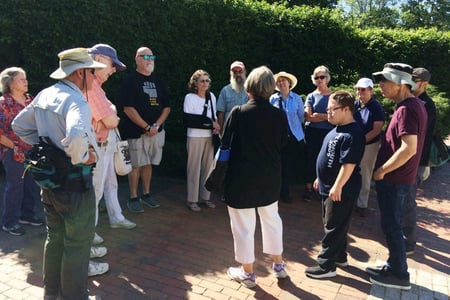
Private Tours
Looking for a more personalized experience? Request a guided tour for your group.

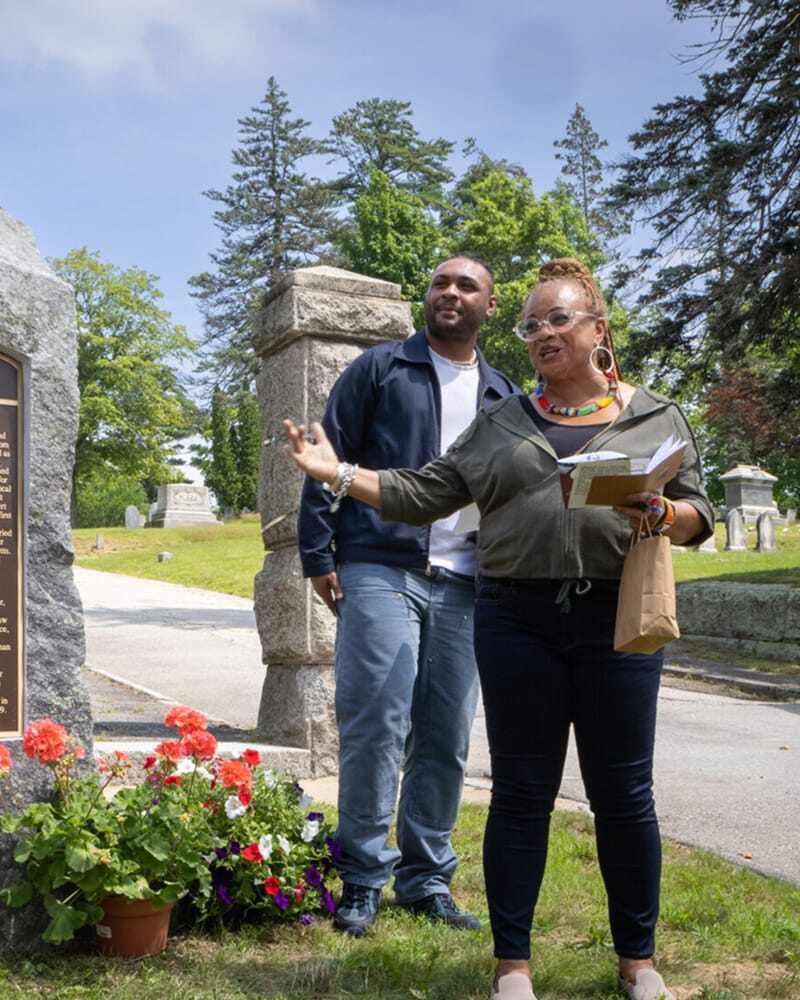
Trusted Guides, Authentic Stories
When it comes to exploring New Hampshire’s Black history, expertise matters. Our Sankofa Scholars are not only skilled guides but also trusted historians, deeply immersed in the nuances of African American history and culture.
They specialize in presenting conflicting narratives with accuracy and care, offering an experience rooted in truth and respect. With their guidance, you’ll uncover the untold stories that shape our shared history—brought to life with passion, integrity, and unmatched expertise.

Sobering and eye-opening, the Black Heritage Trail forces us to question those we have traditionally considered heroes, and to elevate those who have been marginalized instead.

 Preserve Black History in New Hampshire