

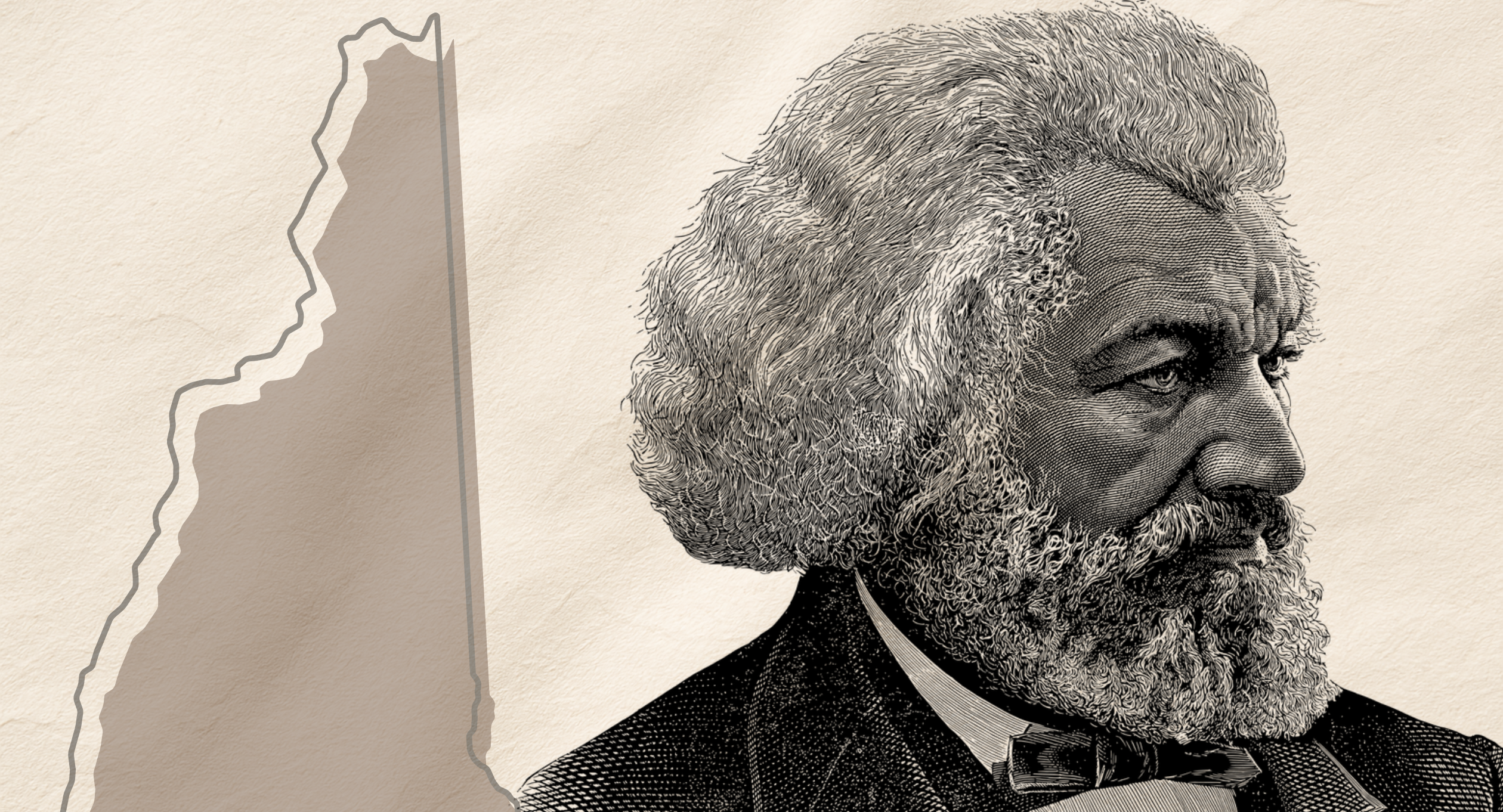
Frederick Douglass Statewide Readings

2026 Frederick Douglass readings will be included in our Juneteenth celebrations - more info coming soon!
 NH Communities Read Frederick Douglass
“What to the Slave is Your Fourth of July?”
Date
June 27, 2026
Time
Noon
Cost
Free
Opportunities to Be Involved
BHTNH has moved programming to a hybrid model. Here is how you can get involved with our annual Frederick Douglass Community Reading:
Live in-person community readings at one of the small group gatherings across the state on June 27 at noon.
Watch online via the BHTNH Facebook Page.
The live stream will have closed captions.
Host a reading in your town!
Contact Dariya Steele at dariya@blackheritagetrailnh.org if you are interested in hosting a community reading.
PLEASE NOTE: BHTNH encourages participants to follow local Covid guidelines.
Please call us at 603-570-8469 for more information.
On July 5, 1852, Frederick Douglass, an abolitionist and heroic orator for liberty, delivered one of his most famous speeches in which he asked, “What to the slave is your Fourth of July?” In addressing an Independence Day observance in Rochester, New York, his speech was a blistering indictment of an American idealism that ignored and accepted the inhuman treatment of enslaved African Americans as part of the country’s identity and economy. Ironically, even though Douglass’ words spoke directly to this moment in history, they still ring with an unsettling power today.
For the past several years,the BHTNH has collaborated with community leaders around the Granite State to bring people together to read Douglass’ historic protest speech and to reflect on its meaning. This event happens on the Saturday before the 4th of July at 12:00 pm (noon.)
While reading Frederick Douglass’ work is a powerful experience for many, it is only one piece of the long-overdue conversations that our communities need to have. We hope that these readings will be a starting point for these difficult dialogues and that they will provide an opportunity for us to engage in deeper conversations that will lead to actions to help build more inclusive and just communities today.
About Frederick Douglass
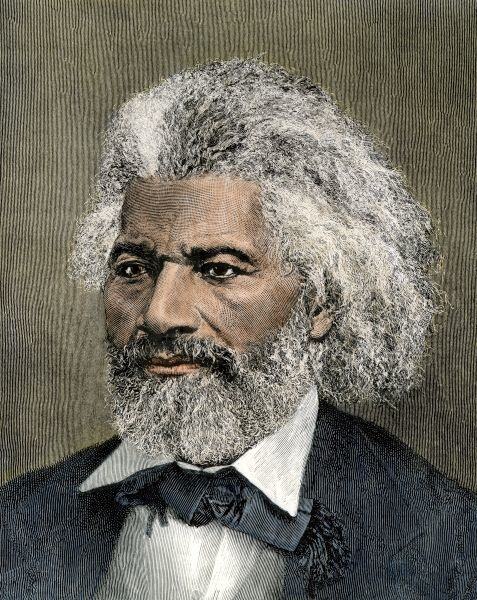
Frederick Douglass was born into enslavement sometime around 1818 in Talbot County, Maryland. He became one of the most famous intellectuals of his time, advising presidents and lecturing to thousands on a range of causes, including women’s rights and Irish home rule.
A fiery orator, Douglass’s speeches were often published in various abolitionist newspapers. Among his well-known speeches is “The Meaning of July Fourth for the Negro,” presented in Rochester, New York, on July 5, 1852, a version of which he published as a booklet. There were approximately 500 attendees who heard him speak.
Douglass had been invited to speak about what the Fourth of July means for America’s black population, and while the first part of his speech praises what the founding fathers did for this country, his speech soon develops into a condemnation of the attitude of American society toward slavery.
I am not included within the pale of glorious anniversary! Your high independence only reveals the immeasurable distance between us. The blessings in which you, this day, rejoice, are not enjoyed in common. The rich inheritance of justice, liberty, prosperity, and independence, bequeathed by your fathers, is shared by you, not by me. The sunlight that brought light and healing to you, has brought stripes and death to me. This Fourth of July is yours, not mine. You may rejoice, I must mourn…

 Preserve Black History in New Hampshire