

.png)
Five To Know:
5 African American "Firsts" from New Hampshire

 5 to Know
Everyone Should Know These Five Black Historical Figures from New Hampshire
These five figures mark important moments in history, not only for New Hampshire, but for the United States as a whole - and, in some cases, the wider world beyond.
New Hampshire is often overlooked as a non-diverse state, and Black stories and experiences are often forgotten. These five individuals - their stories, lives, and experiences, all prove that the Black success is throughout New Hampshire's history.
These stories reveal the courage, achievements, and contributions of people whose lives have been hidden in history. By learning about them, you’ll gain a better understanding of our shared past and the important role Black Americans have played in shaping New Hampshire and the Northeast.
Richard Potter
First International Black Celebrity
Harriet E. Wilson
First Black Woman to Publish in English
Ona Judge
Enslaved to the Washingtons, Escaped to Freedom in NH
Prince Whipple
Revolutionary Soldier, Signer of the First Petition for Freedom in NH
Wentworth Cheswill
First African American Judicial Officer & First Elected to Office
5 to Know
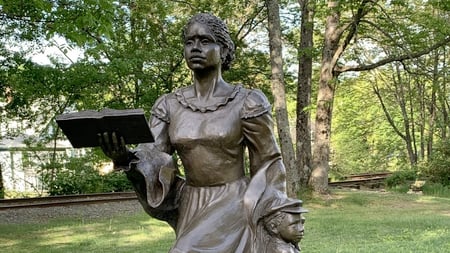
Harriet E. Wilson
First Black Woman to Publish in English
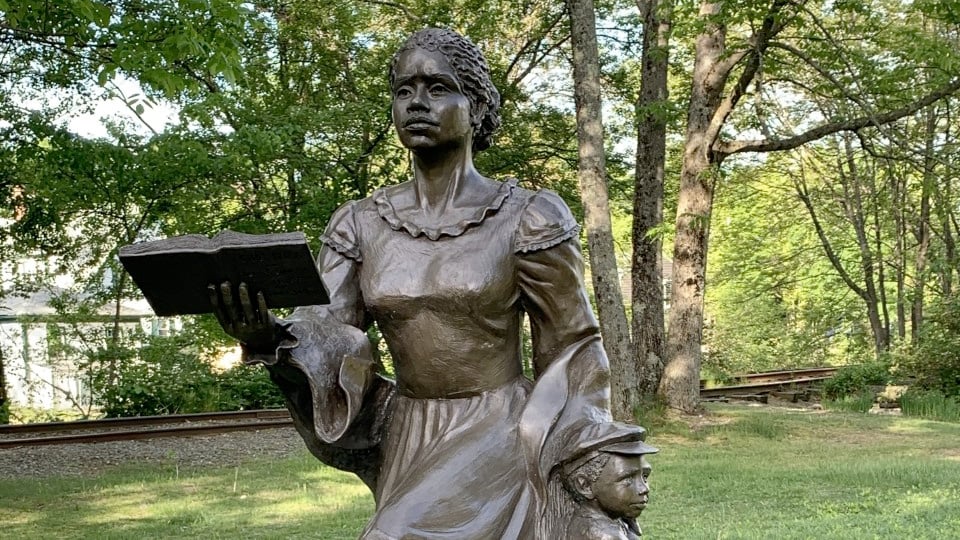
Harriet E. (Adams) Wilson, the first African American female novelist published in the United States, lived here in the Hayward-Hutchinson Homestead from 1830 to 1846. Wilson’s move, Our Nig, or Sketches from the Life of a Free Black (1859), was based on her early life.
Abandoned by her mother at age six, Wilson was indentured to the Hayward family until age eighteen and was often in poor health. Her inhumane treatment in this house deeply influenced her writing, revealing as she wrote, that slavery’s shadow falls even here in the North.
After her servitude, Harriet was often listed as a town pauper, yet she later ran a successful business selling Mrs. H.E. Wilson’s hair products. She subsequently married twice and lost her son George, and both of her husbands.
Wilson’s life, and her novel confronting the harsh realities of her time, are a testament to her resilience, courage, and fortitude.
5 to Know
Wentworth Cheswill
First African American Judicial Officer & First Elected to Public Office
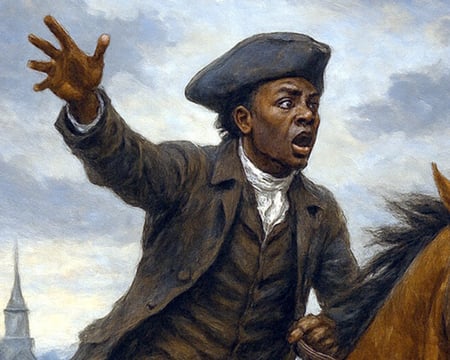
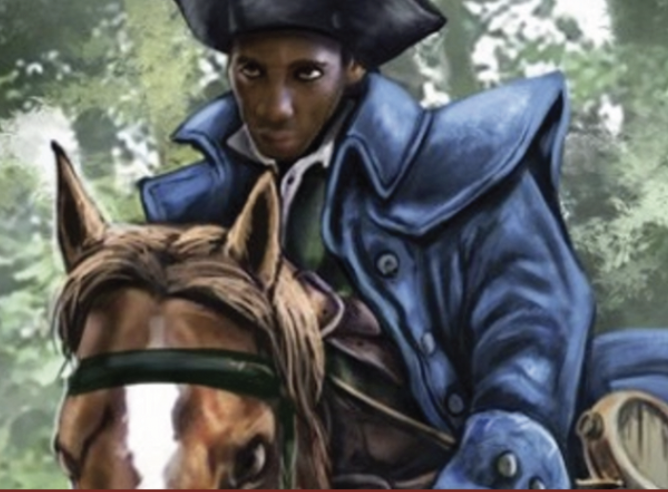
Wentworth Cheswill (1746–1817) was a master craftsman, educator, soldier, historian, and civic leader whose life exemplified public service in early America. Born in Newmarket, New Hampshire, to a free Black family, Cheswill became the first Black man elected to public office in what would become the United States when he was chosen as town constable in 1768. His election marked the beginning of nearly five decades of continuous service to his community, holding positions including selectman, assessor, auditor, and justice of the peace.
A respected housewright and carpenter, Cheswill also played a role in the American Revolution, serving in the local militia and helping defend New Hampshire's coastline and even undertaking a "midnight ride" not dissimilar to Paul Revere's. Known for his education and intellectual curiosity, he was regarded as one of New Hampshire's earliest local historians. Through his leadership, civic engagement, and commitment to public service, Wentworth Cheswill left a lasting legacy as a pioneering Black leader in American history.
5 to Know
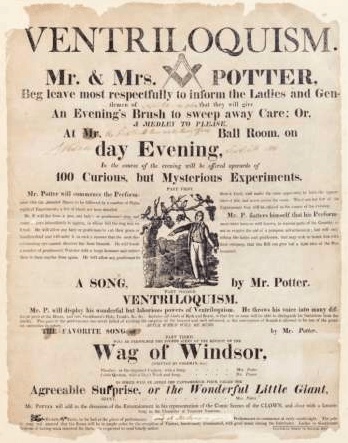
Richard Potter
First International African American Celebrity
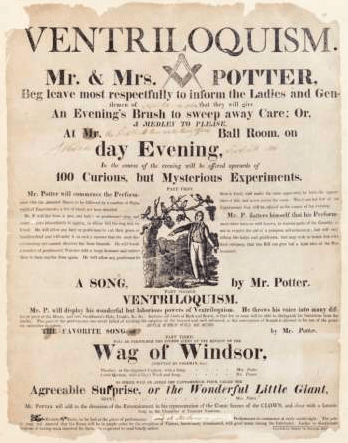
Richard Potter, a magician, ventriloquist, and humorist in the early 1800s, was the first American performer to gain nationwide fame. He helped make popular entertainment a major part of American life.
Born in Boston to an enslaved mother, Potter studied there and in Europe with renowned performing artists. Early on, Potter’s wife, Sally, assisted him on stage. He toured the United States and Canada for nearly three decades, charming audiences with his humor, ready wit, and showmanship. Nonetheless, he encountered racism and danger.
Potter and his wife, Sally, both Black, moved to Andover in 1815, where he built a house of his own design. The Potters are interred at Potter Place.
5 to Know
Ona Judge
Enslaved by the Washingtons, Sought Freedom in New Hampshire
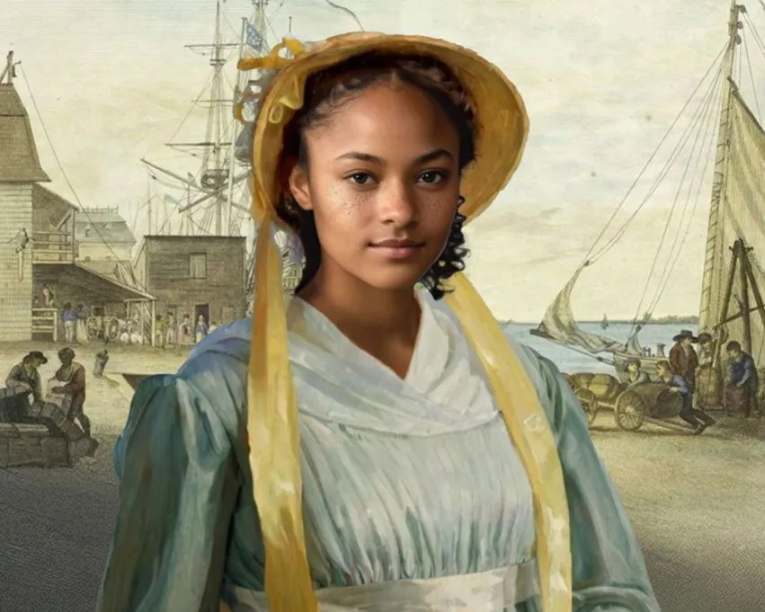
Ona Judge Staines (d. 1848) was born enslaved, the daughter of an enslaved woman, Betty, and a free white indentured servant. Held in bondage by Martha Washington, wife of President George Washington, Ona accompanied her to presidential residences in New York and Philadelphia as her personal servant and seamstress. During preparations for one of the return trips to Mount Vernon to ensure that enslaved members of their household could not meet the 6-month requirement to petition for their freedom in Pennsylvania, Ona Judge found her opportunity. Aided by the free Black community, she found passage aboard a ship bound for Portsmouth, NH.
Once in NH, she was protected and supported by the free Black community and local officials. She defied the sitting president’s efforts to capture her, preferring freedom to any luxury she might have enjoyed in their household. Ona Judge married free Black mariner Jack Staines in 1797; the couple had three children. She lived in Portsmouth and Greenland, NH, until her death, not enslaved, but not entirely free.
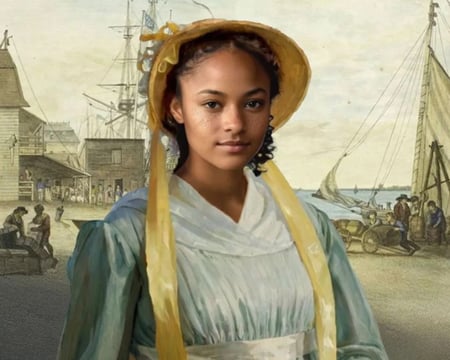
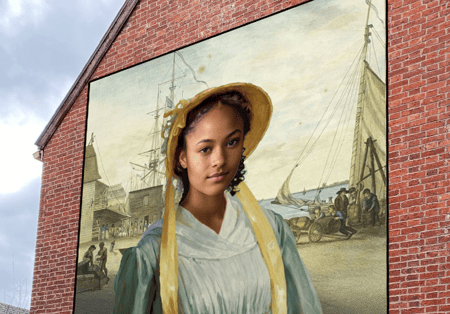
This mural by the artist Manuel Ramirez of Positive Street Art in Nashua, NH, depicts Ona Judge Staines’s arrival in NH, a young woman of courage and determination experiencing her first taste of freedom.
5 to Know
Prince Whipple
Revolutionary Soldier & Signer of the 1779 Petition for Freedom
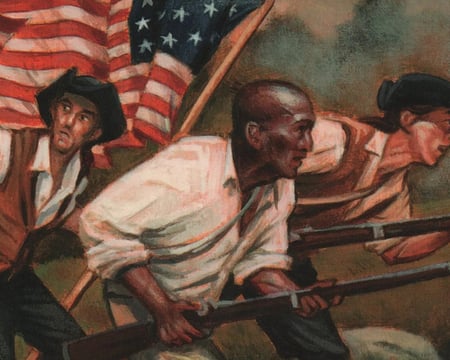
Prince Whipple was born in 1750 in Ghana and was brought to America in 1760 when he was just 10 years old. He spent his adolescence in enslavement to William Whipple. Despite his circumstance, Whipple fought for his country's independence in the battles of Saratoga and Delaware.
In 1779, Whipple and 19 other Black men (some enslaved and some free) wrote a Petition for Freedom to the New Hampshire congress. Despite its failure, the petition is known for its rhetorical and literary deftness, dispelling myths of Black intellectual inferiority.
After gaining his freedom, Whipple continued to live in Portsmouth, where he was a respected member of the free Black community and is remembered for both his military service and his outspoken fight for abolition.

Upcoming Events
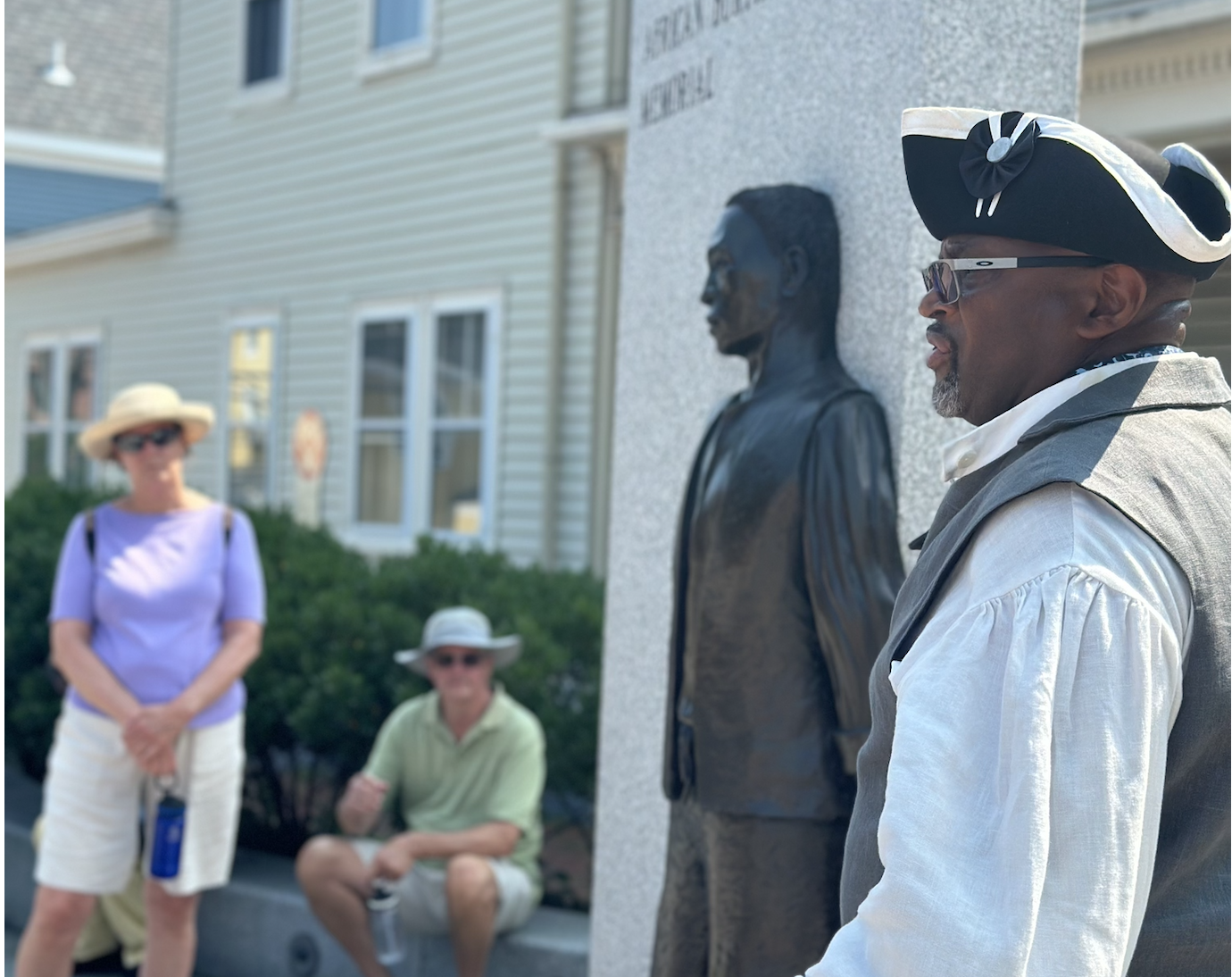
Ona Judge Day Tour
Sankofa Scholar & Tour Guide: Sonya Arroyo
In 2022, New Hampshire Governor Chris Sununu signed a bill that declared May 21 st to be Ona Judge Day. The declaration honors that day in 1796 on which Ona Maria Judge Staines left the residence of President George and Martha Washington in Philadelphia, boarded a ship to Portsmouth, and lived a long and dignified life in New Hampshire, free, but a fugitive.
On this special Ona Judge Day Tour, you will hear the true story of a young woman’s quest for freedom. See the waterfront where Ona landed and visit the Portsmouth properties of some of America’s most famous families - the Langdons, Warners, and Lears - whose stories are also bound to her incredible journey.
Meeting Place: BHTNH Headquarters | 222 Court Street, Portsmouth, NH.
Ona Judge Mural Unveiling
In 2023, the Black Heritage Trail of New Hampshire unveiled plans to paint a mural of Ona Marie Judge Staines on its Portsmouth, New Hampshire, headquarters. As part of a local History Through Art initiative, the Black Heritage Trail will honor Staines, who bravely escaped the bonds of slavery in the late 1700s. While not yet a household name, Staines’ story is one of courage and self-determination that historians are working to share with the public. The Trail is working with artist Manuel Ramirez of Positive Street Art to create the mural. Below see the process that we came to decide on the mural's imagery, how Ona Judge would be portrayed, and how we would ensure the artwork reflected historical reality of the time period in which Ona Judge lived. The mural will be unveiled on Saturday, May 23, 2026. The event will feature guest speakers and a reception with refreshments provided. Read more about the mural project here.

Additional Info
Our Past Informs the Present
Each of these stories speaks to the value of Black voices and stories throughout the history of our nation. Every Granite State resident should know about these 5 Black history figures from New Hampshire, in order to have a more full picture of their state's history.
As we often say at the Trail, Black History is American History. There is nothing to be gained by shaming ourselves, nor from denying the past. In order to build a better future, we must acknowledge our history as a whole. For instance, George Washington owned slaves, including Ona Judge - and fought tooth and nail to reclaim her when she took her freedom. To pretend he didn't does not make him a better person - it simply recognizes him for who and what he was.
History is not black and white, but full color. We have to view it through that lens.
 Preserve Black History in New Hampshire