Black New England Conference 2026
Panel Honorees
Every year we dedicate each panel to a different voice in Black history who inspires the theme of the panel. These are the honorees for the 20th annual Black New England Conference.
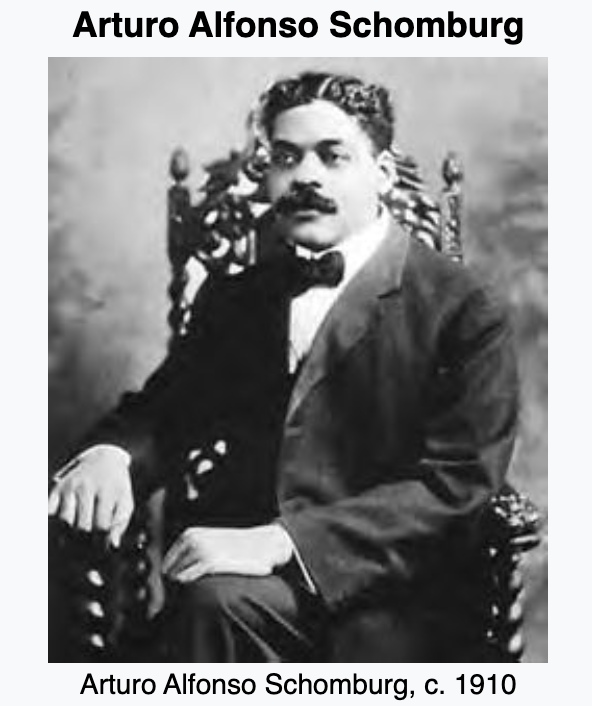
Panel One – Arturo Schomberg
Arturo Alfonso Schomburg (1874–1938) was an Afro-Puerto Rican historian, writer, collector, and activist whose life's work transformed the study of Black history. Born in Santurce, Puerto Rico, he was reportedly told by a teacher that Black people had no history or significant achievements. Determined to prove otherwise, he devoted his life to documenting the accomplishments of people of African descent around the world.
After moving to New York City in 1891, Schomburg became a leading intellectual of the Harlem Renaissance. He collected thousands of books, manuscripts, artworks, and historical documents related to African, African American, and Afro-Latin American history. His groundbreaking 1925 essay, "The Negro Digs Up His Past," encouraged Black Americans to reclaim and celebrate their history and cultural heritage.
In 1926, the New York Public Library purchased Schomburg's extraordinary collection, which became the foundation of the Schomburg Center for Research in Black Culture—today one of the world's premier archives of Black history and culture.
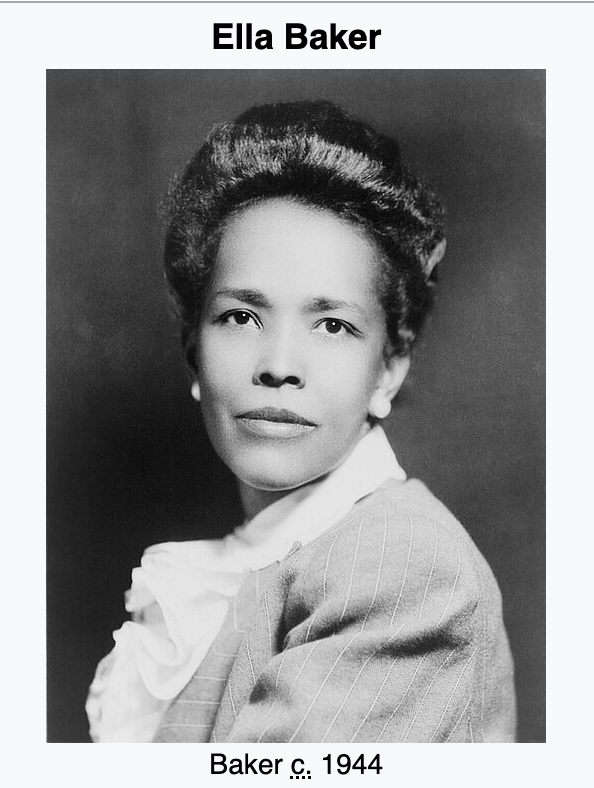
Panel Two – Ella Baker
Ella Baker (1903–1986) was one of the most influential organizers of the American Civil Rights Movement. Rather than seeking the spotlight, she believed that ordinary people working together could create lasting social change. Her philosophy of grassroots leadership helped shape the modern civil rights movement.
Baker worked for the National Association for the Advancement of Colored People for more than a decade, traveling throughout the South to build local chapters and strengthen community leadership. She later helped found the Southern Christian Leadership Conference and served as one of its key staff members.
After the 1960 student sit-ins, Baker encouraged young activists to organize independently. She was instrumental in creating the Student Nonviolent Coordinating Committee, which became one of the most important organizations of the Civil Rights Movement. Under her guidance, SNCC led voter registration drives, sit-ins, and the historic Freedom Summer.
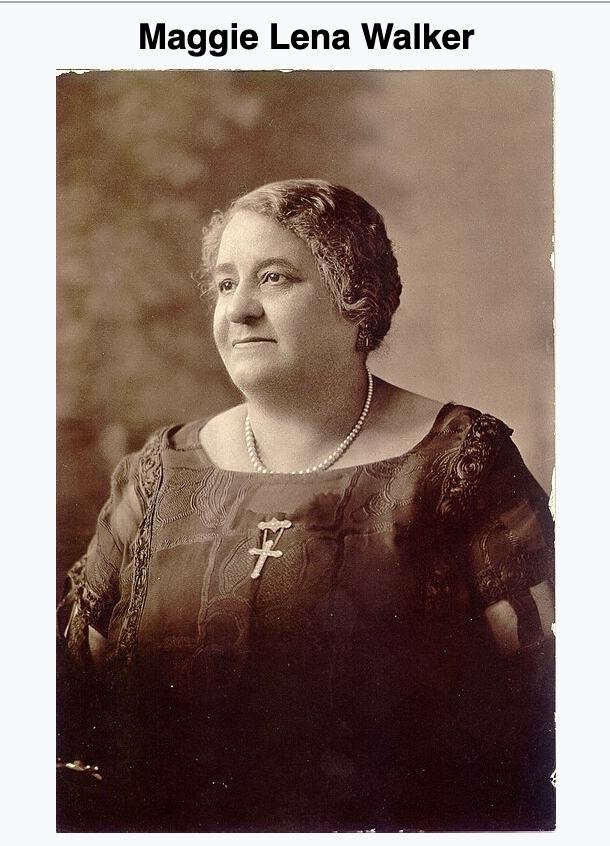
Panel Three – Maggie Lena Walker
Maggie Lena Walker (1864–1934) was a pioneering African American businesswoman, banker, and community leader who became the first Black woman in the United States to charter and serve as president of a bank. In 1903, she founded the St. Luke Penny Savings Bank in Richmond, Virginia, to help Black families save money, buy homes, and build financial independence during the era of Jim Crow segregation.
Walker also led the Independent Order of St. Luke, a Black mutual aid society, transforming it into a thriving organization with tens of thousands of members. She founded the St. Luke Herald newspaper, advocated for education, voting rights, and economic opportunity, and encouraged entrepreneurship within the Black community.
Despite facing both racial and gender discrimination—and later using a wheelchair because of a disabling injury—Walker remained an influential civic leader throughout her life. Today, she is remembered as one of America's most important pioneers of Black economic empowerment, and her restored home in Richmond is preserved as a national historic site.
Panel 4 – John Lewis
John Lewis (1940–2020) was one of the most influential leaders of the American Civil Rights Movement. Born to sharecroppers in rural Alabama, he became a founding member and later chairman of the Student Nonviolent Coordinating Committee, helping lead lunch counter sit-ins, the Freedom Rides, and voter registration campaigns across the South. He was the youngest speaker at the March on Washington and played a key role in the Selma to Montgomery marches, where he suffered a fractured skull during the attack known as Bloody Sunday. These events helped build support for the Voting Rights Act of 1965.
In 1987, Lewis was elected to the United States House of Representatives, representing Georgia's 5th Congressional District for more than three decades. Often called the "conscience of Congress," he remained a tireless advocate for voting rights, racial justice, and nonviolent activism until his death in 2020. His enduring message encouraged people to make "good trouble" in the pursuit of justice. 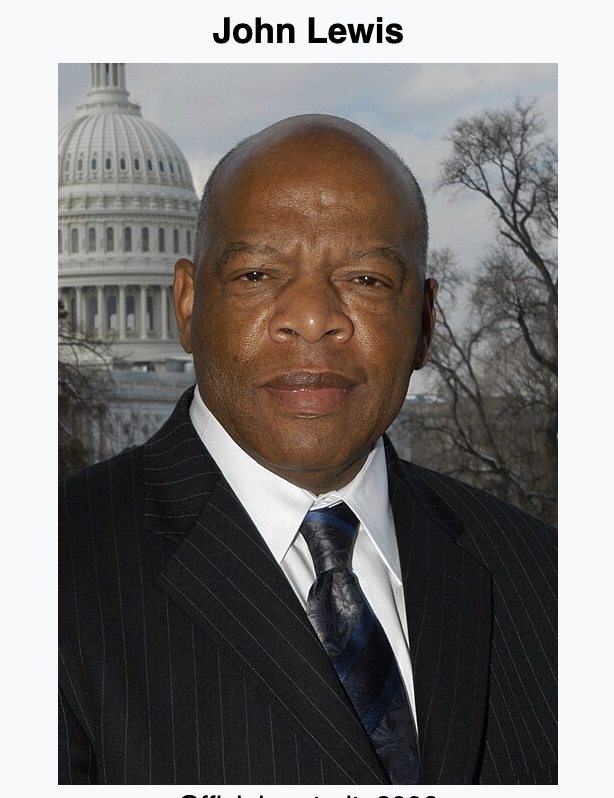
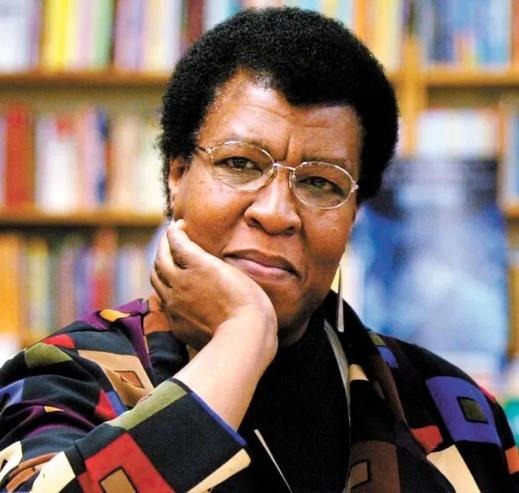
Panel 5 – Octavia Butler
Octavia E. Butler (1947–2006) was a pioneering American science fiction writer whose work explored race, gender, power, identity, and the future of humanity. Born in Pasadena, California, she overcame poverty, dyslexia, and discrimination to become one of the most influential voices in speculative fiction. Her novels blended science fiction, fantasy, and social commentary, challenging readers to confront issues of inequality and survival.
Butler was the first science fiction writer to receive a MacArthur Fellowship, often called the "Genius Grant." Her best-known works include Kindred, Parable of the Sower, and Parable of the Talents. Today, she is celebrated as a visionary author whose ideas continue to influence literature, social thought, and conversations about justice, resilience, and the future.