

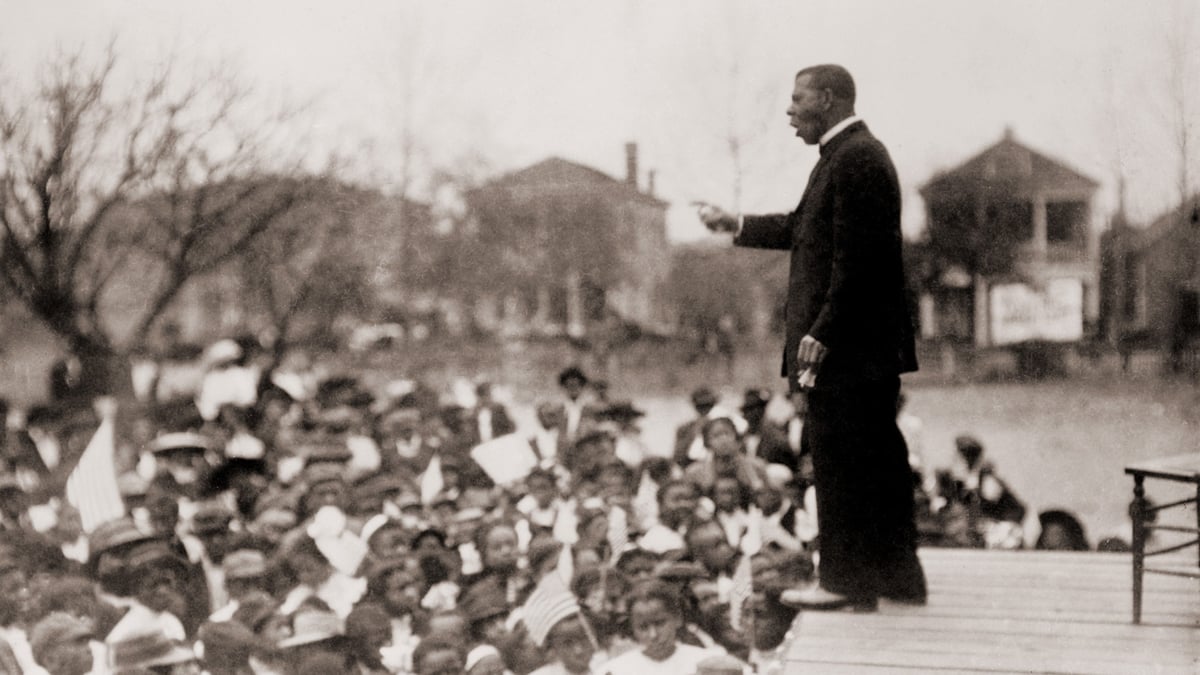
African American speechmaking has long been one of the most powerful forces shaping American history and culture. From the impassioned speeches of abolitionists to the prophetic sermons of civil rights leaders and the spoken-word artists of today, Black oratory has mobilized communities, challenged injustice, and given voice to generations of resistance and hope.
More than just eloquence, African American oratory is a tradition rooted in survival, creativity, faith, and collective memory. It draws from West African storytelling, biblical cadence, call-and-response, and lived experience to produce a rhetorical style unlike any other. These voices have shaped political movements, transformed public discourse, and inspired change both locally and nationally.
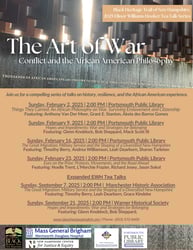
As the Black Heritage Trail of New Hampshire prepares for its 2026 EWH Tea Talks series, now is the perfect time to explore this rich legacy and its continued impact. This year’s program centers on the art of African American oratory—past, present, and future—bringing history to life through dynamic discussion and community engagement. Because truly, African American speechmakers have shaped rhetoric and public speaking since America's founding - and what better way to ring in the 250th than to address one of its most impactful oratory traditions.
African American Speechmaking Throughout History
The tradition of African American oratory begins in bondage and resistance. Enslaved Africans used coded language, spirituals, and storytelling to preserve culture and communicate hope. As literacy expanded and abolitionist movements gained momentum, Black speakers began commanding public stages across the country.
One of the most influential voices of the 19th century was Frederick Douglass, whose speeches exposed the moral contradictions of American democracy. His famous address, “What to the Slave Is the Fourth of July?", remains a masterclass in rhetorical precision—combining irony, historical analysis, and moral urgency. Similarly, Sojourner Truth’s “Ain’t I a Woman?” confronted both racism and sexism, proving the power of personal narrative as political critique.
These early orators were as much community organizers and activists as they were speakers. Their words raised funds, built coalitions, and reshaped public opinion. They laid the groundwork for future movements, proving that language could be both weapon and shield.
The first Tea Talk of the 2026 series, “A More Perfect Union: The Legacy of African American Speechmaking,” explores this foundation. Participants will examine how Black rhetoric evolved from abolitionist stages to civil rights marches and beyond. The session highlights how oratory became a tool for survival, leadership, and liberation, influencing everything from political organizing to artistic expression.
Black Preachers: Orators & Community Leaders
No exploration of African American oratory is complete without recognizing the Black church. For centuries, the pulpit has been one of the most powerful platforms for Black leadership. Pastors served not only as spiritual guides but also as educators, organizers, and activists.
The cadence, rhythm, and emotional power of Black preaching helped shape the broader tradition of African American speech. Sermons blended scripture with social commentary, offering both comfort and challenge. Congregations became spaces where faith and activism intersected—where people were spiritually fed and politically mobilized.
Figures such as Rev. Martin Luther King Jr. exemplified this tradition. His speeches, including “I Have a Dream” and “Letter from Birmingham Jail,” drew heavily on biblical language and prophetic imagery, maintaining the rhythm and cadence of that same ministerial background. King’s oratory reached beyond the church walls, shaping national policy and public consciousness.
The Tea Talk “A Knock at Midnight: Black Preacher as Orator” examines this sacred tradition. It explores how Black clergy have historically used the pulpit to speak truth to power, advocate for justice, and uplift communities.
Modern Black Oratory & Bishop Michael Curry
African American oratory continues to thrive in the modern era, adapting to new platforms while preserving its core traditions. Today’s speakers deliver sermons streamed online, speeches shared on social media, and spoken-word performances that go viral. Yet the heart of the tradition remains the same—authentic storytelling, moral conviction, and communal connection.
A powerful contemporary example is Bishop Michael Curry, retired Presiding Bishop of the Episcopal Church. Curry captured global attention in 2018 with his electrifying sermon at the royal wedding of Prince Harry and Meghan Markle. His message—centered on love as a revolutionary force—reached millions around the world and reintroduced the Black preaching tradition to an international audience.
Bishop Curry’s oratory embodies the historical lineage of Black speechmaking. His sermons draw from scripture, civil rights history, and everyday experience. He speaks with warmth, humor, urgency, and hope—bridging generations and cultures.
His upcoming appearance at the Black Heritage Trail of NH Tea Talks is a major highlight of the 2026 series. Attendees will have the rare opportunity to hear directly from one of today’s most influential faith leaders and public speakers. Curry’s presence reinforces the ongoing relevance of Black oratory and its ability to inspire across boundaries.
His participation also underscores a central theme of the Tea Talks: that African American rhetoric is not confined to history—it is alive, evolving, and shaping our present moment.
Black Female Voices Have Shaped US History
African American women have long been architects of rhetorical power, even when denied formal platforms. From abolitionist stages to civil rights meetings, Black women have spoken truth under extraordinary pressure.
Ida B. Wells used investigative journalism and public lectures to expose lynching and racial violence. Fannie Lou Hamer spoke with raw honesty about voter suppression, famously declaring, “I’m sick and tired of being sick and tired.” Their words came from lived experience and moved audiences worldwide.
Today, Black women continue to shape public discourse. Poets like Amanda Gorman bring spoken-word to national stages. Scholars, activists, and community organizers use speech to challenge systemic inequities and advocate for change.
The Tea Talk “Unbound & Unbossed: Black Female Oratory” celebrates this legacy. It explores how Black women have used speech as a form of resistance, leadership, and creative expression. This session highlights how voice itself can be an act of liberation—especially for those historically silenced.
Participants will engage with stories of courage, creativity, and leadership, recognizing how Black women’s rhetoric has transformed social movements and continues to influence contemporary activism.
What’s The Future of African American Speechmaking?
Today’s orators are poets, podcasters, activists, educators, and influencers. They speak at protests, on TikTok, in classrooms, and on global stages. Their messages address issues such as racial justice, mental health, gender equity, climate change, and community empowerment.
What remains consistent is the purpose: to connect, challenge, and transform. Young speakers blend traditional rhetorical styles with modern storytelling, digital media, and intersectional perspectives.
This session invites attendees to reflect on how oratory evolves with each generation—and how we can nurture future voices. It also explores how communities can create spaces for young people to develop confidence, leadership, and public speaking skills.
Why African American Oratory Still Matters
African American oratory has always been about more than performance. It has been a survival tool, a political strategy, and a spiritual practice. It helped enslaved people imagine freedom, galvanized civil rights movements, and continues to shape national conversations today.
Words have power. They can affirm identity, expose injustice, and mobilize action. In a time when public discourse feels increasingly divided, this tradition offers lessons in courage, clarity, and compassion.
The Black Heritage Trail of New Hampshire’s Tea Talks provide a space to engage with this legacy—right here in our community. Through thoughtful conversation, historical exploration, and contemporary voices, the series invites participants to deepen their understanding and appreciation of African American rhetoric.
Join the 2026 EWH Tea Talks
The EWH Tea Talks are community experiences as much as discussion sessions. Held at the Portsmouth Public Library and Temple Israel, these gatherings bring people together to learn, reflect, and connect through history.
With sessions covering abolitionist rhetoric, Black preaching traditions, women’s voices, and the future of oratory—plus the special appearance of Bishop Michael Curry—this year’s series promises to be unforgettable.
Whether you are a student, educator, history lover, or community member, the Tea Talks offer something for everyone.
Learn more and register here.
Come sip tea, engage in meaningful dialogue, and experience the power of African American oratory—past, present, and future.
 Preserve Black History in New Hampshire